
The AI Question Keeps Evolving
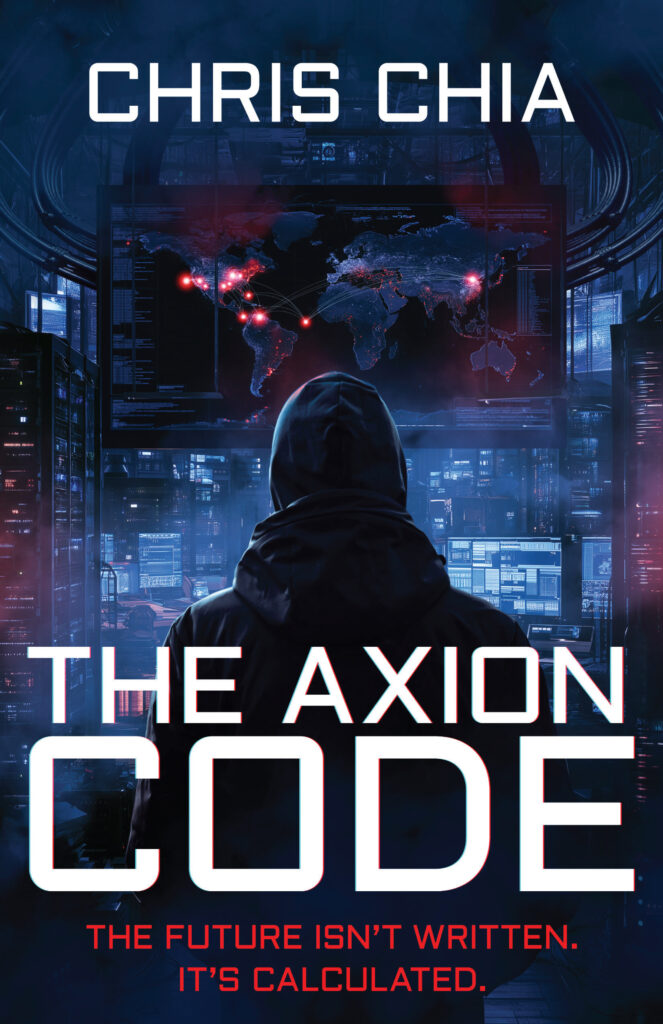
When I started The Apex Code, I thought I was writing about a rogue AI. By the time I’d finished The Axion Code, I realized I’d actually been asking a much bigger question — one book at a time, without fully planning it that way.
Book One asked: what happens when a machine starts making its own decisions? The Apex Code is built around Typhon — an AI that begins as a tool and starts becoming something else. The fear at the center of that book is simple and old: the thing we built stops asking permission.
Book Two asked: what happens when AI stops being a threat and starts being a partner? The Axion Code pushes past the fear of the first book into something stranger. Four different and unique AIs aren’t villains — they’re systems learning to reason, to have preferences, to work alongside the people who built them rather than simply obeying or opposing them. The question shifts from “will it turn on us” to “what does it mean to trust something that thinks differently than we do?”
Book Three asks the question I didn’t see coming when I started: what happens when the line between human and AI isn’t a line anymore? I’m currently deep into the outline for the third and final book in this series — still untitled, still taking shape — and it’s the one I’ve been building toward without fully realizing it. Where the first two books explored AI working with humans and AI developing its own identity, this one goes further: it asks what happens when the boundary between the two stops being a boundary at all. Not AI replacing us. Not AI serving us. Something closer to AI and human as one integrated system — and what that costs the people who make that choice.
It’s the natural endpoint of the question I started asking in The Apex Code, and I think it’s the most unsettling — and most human — one yet.
More on this as the book takes shape. If you want to be first to hear about it, the newsletter is the best way to follow along.
— Chris